

Getting ready for a Building Energy Rating (BER) assessment? A BER shows how energy-efficient your home is, rated from A (super efficient) to G (not so great). It's necessary when selling or renting out your place. Here are five easy steps to prepare your home for a BER assessment.
Key Steps to Prepare for a BER Assessment
- Gather all relevant documents for your home
- Make every part of your home easy to access
- Get heating and cooling systems ready for inspection
- Check your home's insulation quality
- Think about potential energy-efficient upgrades
1. Gather Your Home's Paperwork
Let's get organised! Collect all the important documents about your home, including:
- Your latest electricity bill
- Info on when your home was built
- Any old BER certificates
- Details about home improvements you've made
- Specifications of your heating system
- Information on any renewable energy systems installed
- Records of insulation upgrades
Having these ready will help your BER assessor get a clear picture of your home's energy use. It's like giving them a head start! Organising these documents can speed up the assessment and ensure accurate evaluation of your home's energy efficiency.


These documents are important for your BER assessment. They help the assessor understand your home's energy use and improvements. Learn more about what a BER is and why it matters.
2. Make Sure Every Part of Your Home is Accessible
Your BER assessor needs to check every part of your home, including:
- The attic
- Crawl spaces
- All rooms, including spare rooms and storage areas
- Basement or cellar, if applicable
- Exterior walls and roof spaces
- Boiler room or utility areas
Clear out any clutter that might be in the way. If there are hard-to-reach spots, make sure you have a safe way for the assessor to get there, like a sturdy ladder for the attic. Easy access to all areas helps ensure a thorough and accurate assessment.
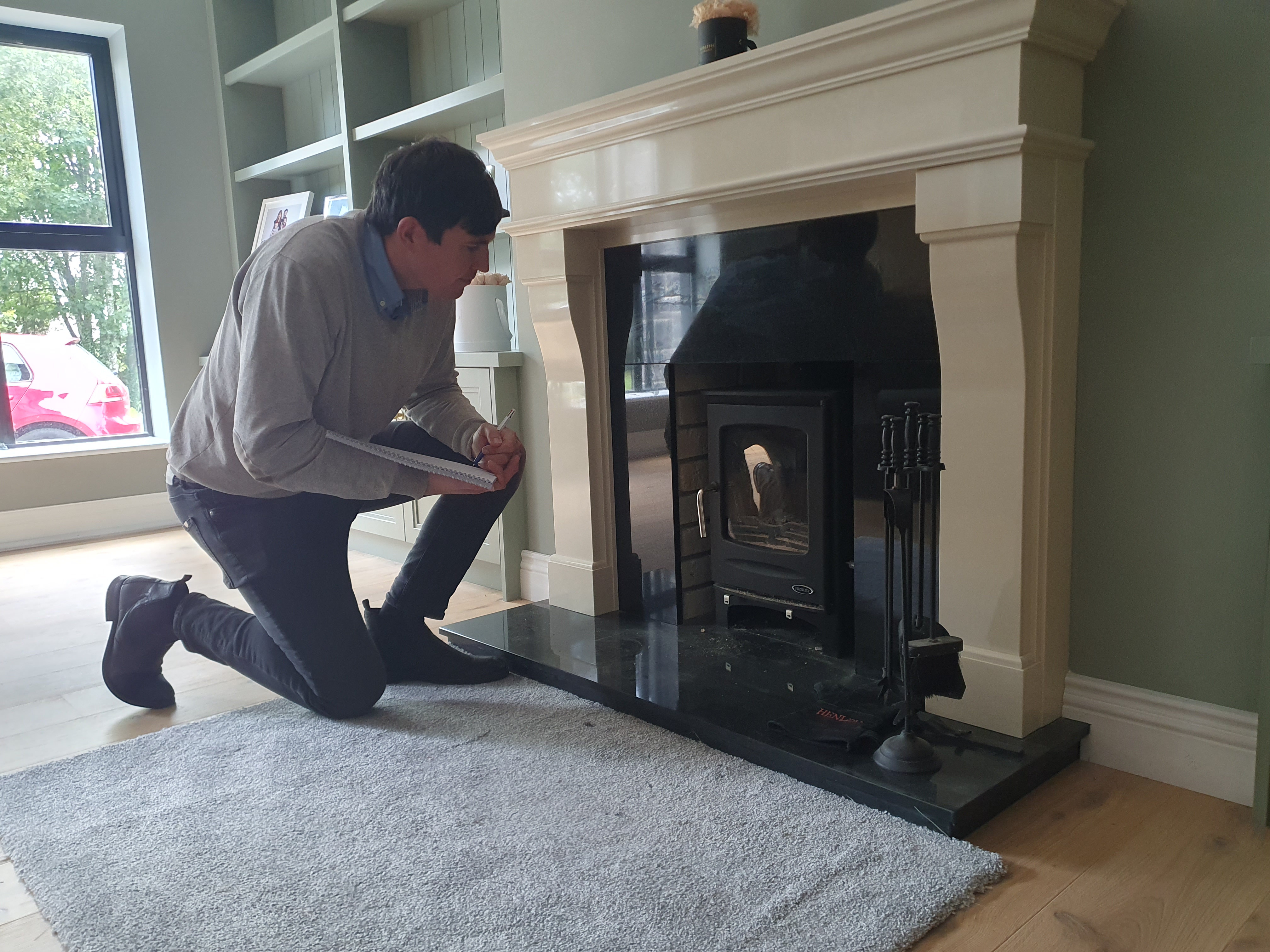
Making your home easy to navigate will speed up the assessment and ensure nothing gets missed. Check out our BER assessment services to learn more about what to expect.
3. Get Your Heating and Cooling Systems Ready
Your home's heating and cooling systems play a big role in its energy efficiency. Here's what you can do:
- Clean or replace air filters
- Make sure all vents are clear and working
- Have your boiler serviced if it's been a while
- Check the efficiency rating of your heating system
- Ensure thermostats are functioning correctly
- Clean radiators and check for any leaks
- Inspect insulation on hot water pipes
If you've made any upgrades to your heating or cooling systems, make sure you have the paperwork to show the assessor. Recent improvements can significantly impact your BER rating, so it's important to highlight these changes.
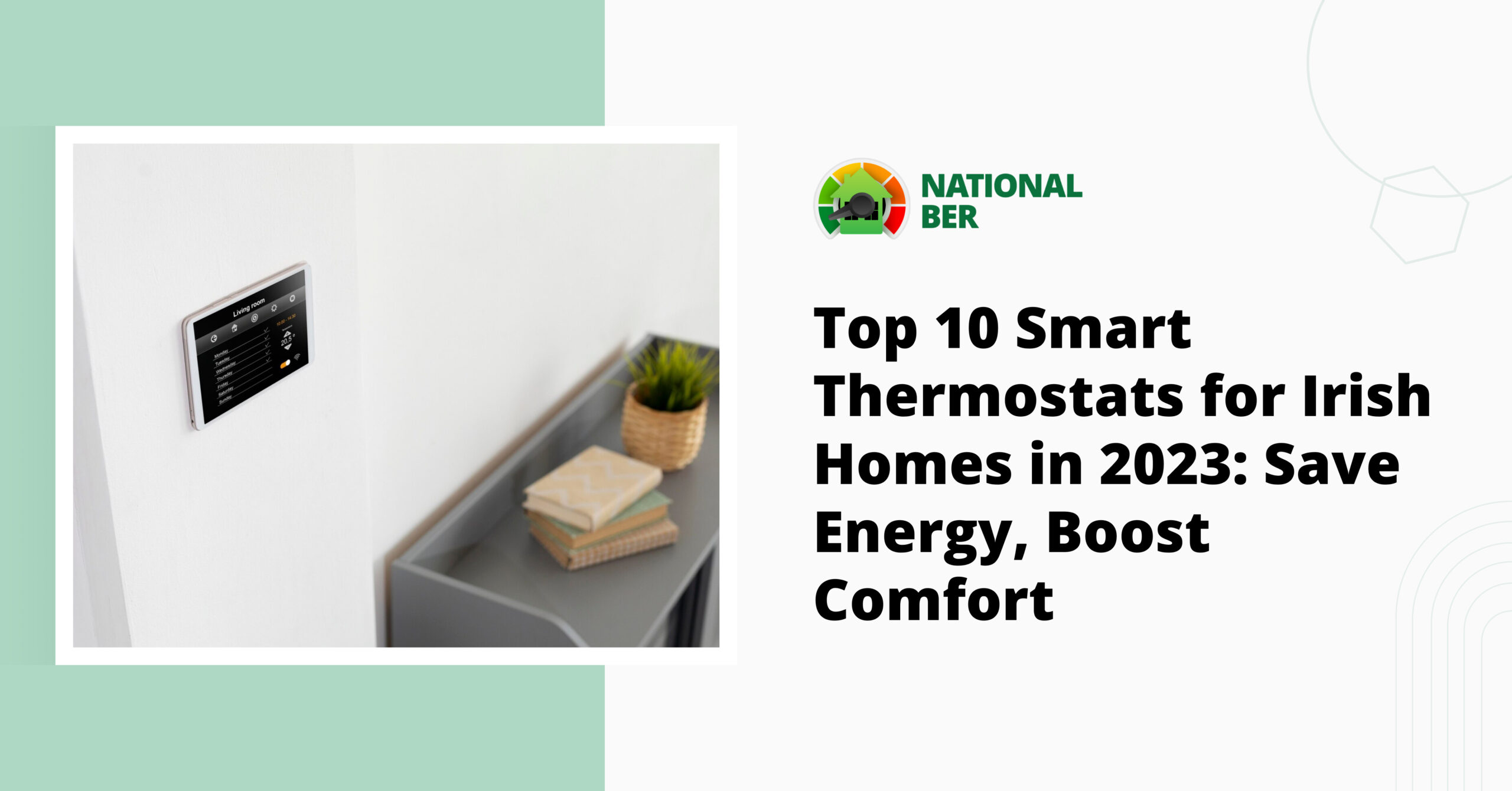
Good heating and cooling systems can really boost your BER rating. Learn how proper ventilation can improve your BER rating.
4. Check Your Home's Insulation
Insulation is like a warm jumper for your house. It keeps the heat in during winter and out during summer. The assessor will want to know about:
- Wall insulation
- Attic insulation
- Floor insulation
- The quality of your windows and doors
- Pipe and tank insulation
- Draught-proofing measures
If you've added insulation recently, make sure you have the details handy. Even small improvements can make a big difference to your BER rating. Consider checking for gaps in insulation, especially in the attic and around windows and doors, before the assessment.
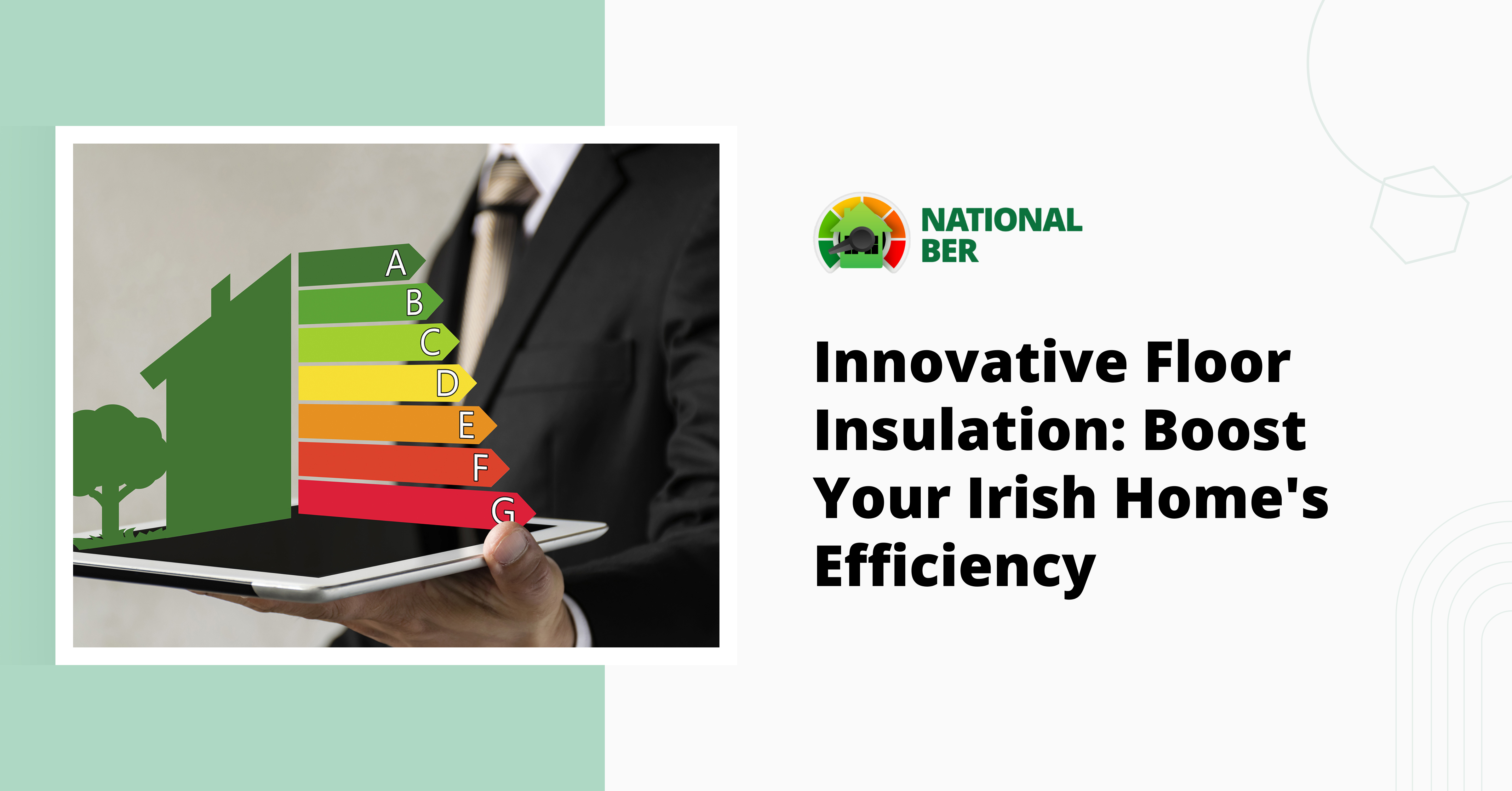
Good insulation is key to a high BER rating. Find out how upgrading windows and doors can improve your BER rating.
5. Consider Energy-Efficient Upgrades
If you're aiming for a top-notch BER rating, you might want to think about some energy-efficient upgrades. These could include:
- Installing LED light bulbs
- Adding solar panels
- Upgrading to a more efficient boiler
- Installing a smart thermostat
- Implementing a heat recovery ventilation system
- Upgrading to energy-efficient appliances
- Installing double or triple glazed windows
Even small changes can add up to big energy savings and a better BER rating. Before making any big upgrades, you might want to talk to an energy efficiency expert. They can help you choose improvements that will have the most impact on your BER rating and give you the best value for your money.

Energy-efficient upgrades can really boost your BER rating. Check out these grants for energy-efficient improvements in Ireland.
What to Expect During the BER Assessment
Now that you're all prepped, here's what will happen during the assessment:
- The assessor will check all areas of your home
- They'll measure rooms and note down details about insulation, heating, and windows
- The whole process usually takes about an hour for an average-sized home
- You'll get your BER certificate and an advisory report with tips for improvements
- The assessor may use specialised equipment to measure heat loss
- They'll inspect your heating and hot water systems in detail
- The assessor will review all the documentation you've prepared
Being there during the assessment can be helpful. You can answer any questions the assessor might have and learn more about your home's energy performance. Don't be shy to ask questions about possible improvements or anything you're not sure about in the assessment process.

Understanding what happens during the assessment can help you feel more prepared. Learn more about BER requirements for selling properties in Ireland.
Understanding Your BER Results
After the assessment, you'll get your BER certificate. Here's what it means:
- A1 to A3: Super energy-efficient homes
- B1 to B3: Very good energy efficiency
- C1 to C3: Good energy efficiency
- D1 to G: Less energy-efficient homes
You'll also get an advisory report with tips on how to improve your home's energy efficiency. This report is really useful for planning future upgrades. It gives you a roadmap for making your home more energy-efficient and potentially more valuable.

Understanding your BER results can help you make smart decisions about energy upgrades. See how Ireland's BER system compares to energy rating systems worldwide.
Why a Good BER Rating Matters
A good BER rating isn't just nice to have. It can bring real benefits:
- Lower energy bills
- A more comfortable home
- Higher property value if you decide to sell
- Less impact on the environment
- Potential for better mortgage rates with some lenders
- Compliance with regulations for rental properties
- Contribution to national energy efficiency goals
Plus, if you're selling or renting out your home, a good BER rating can make it more attractive to potential buyers or tenants. It shows that the property is cheap to run and good for the environment, which are things many people care about when looking for a home.

A good BER rating can save you money and help the planet. Learn about some hidden costs of BER assessments.
Wrapping Up: Get Ready for Your BER Assessment
Preparing for your BER assessment doesn't have to be hard. Just follow these five steps:
- Gather all your home's paperwork
- Make sure every part of your home is easy to access
- Get your heating and cooling systems ready
- Check your home's insulation
- Think about energy-efficient upgrades
With these steps, you'll be all set for your BER assessment. Remember, a good BER rating isn't just about passing a test. It's about making your home more comfortable, saving money on energy bills, and doing your bit for the planet. By taking care of your home's energy efficiency, you're not only getting ready for the assessment but also investing in your property's future value and helping the environment.

Ready to get your BER assessment? Check out our BER assessment services to get started. Good luck with your assessment!


Leave A Comment