

Historic buildings are beautiful and culturally important. But they often have problems with energy efficiency, which can lead to high heating bills and cold rooms. The good news is we can make them more energy-efficient without ruining their special look. Let's look at some clever ways to insulate old buildings while keeping their historic charm.
| Key Takeaways |
|---|
|
- BER is important for energy efficiency in old buildings - Insulation must keep architectural details and manage moisture - Good solutions include internal wall insulation and breathable materials - Roof insulation and better windows make a big difference - Good airflow is important when making buildings more airtight - You can get help and advice for upgrading old buildings |
Understanding BER and Why It Matters
BER is like a report card for how energy-efficient your home is. It goes from A (really good) to G (not so good). For old buildings, improving BER is really important. It helps lower energy bills, makes the building more comfortable, and can even make it worth more money. You can learn more about BER here.
A good BER rating is especially important for old buildings because it shows they can be good for the environment while still being historically important. It also helps protect these valuable buildings from rising energy costs and new rules about energy use.


The Challenge: Insulating Without Changing Character
Insulating old buildings is tricky. We need to keep the heat in without changing how the building looks or damaging its old features. It's difficult, but not impossible! Here are some of the main challenges:
Key Challenges in Insulating Heritage Buildings
- Keeping architectural details and historic appearance
- Managing moisture and allowing walls to breathe
- Following special rules for historic buildings
- Choosing insulation that works with old building methods
Each of these challenges needs careful thinking and often special knowledge. For example, managing moisture is really important because many old buildings were built to let some moisture move through their walls. If we block this with the wrong insulation, it can cause damp problems and damage the building.
Smart Insulation Solutions
1. Insulating Solid Walls
Many old buildings have solid walls, which can lose a lot of heat. Here are two ways to insulate them:
- Internal Wall Insulation: This means adding insulation to the inside of outside walls. It's great for keeping the outside of the building looking the same. But it's important to use materials that let the wall breathe and to think about how it might affect things inside like decorative mouldings and window frames.
- Breathable Materials: Using things like wood fibre or sheep's wool lets moisture move through the walls, which stops damp problems. These natural materials often work better with old building methods and can help control humidity inside the home.
When choosing insulation for solid walls, it's important to think about how much it will improve the wall's ability to keep heat in. For example, adding 100 mm of wood fibre insulation to a solid stone wall could make it much better at keeping heat in, which would make the home warmer and save energy.

2. Roof and Attic Insulation
A lot of heat escapes through the roof, so insulating your attic or loft is a smart idea. It's often easier to do than wall insulation and can make a big difference. You can see the benefits of upgrading attic insulation here.
For old buildings, it's important to keep air flowing in the roof space to prevent condensation. Options include:
- Insulating between and over joists with materials that let air through
- Using hard insulation boards with gaps for air to flow
- Using spray foam insulation in hard-to-reach places, making sure it's okay for the roof structure
3. Window and Door Upgrades
Old windows and doors can be draughty, letting heat escape. But don't worry, you don't always need to replace them. Here are some options:
- Secondary Glazing: Adding an extra layer of glass inside existing windows. This can reduce heat loss by up to 60% while keeping the original windows.
- Draught-proofing: Using special strips and seals to close gaps around windows and doors. This simple fix can reduce heat loss by up to 15%.
- Shutters and Thick Curtains: Old-fashioned methods that can add an extra layer of insulation, especially at night.

Keeping the Air Fresh: Ventilation Strategies
When we make buildings more airtight with insulation, we need to think about fresh air too. Good airflow helps prevent damp and keeps the air healthy. Here are some ideas:
- Natural Ventilation: Using existing chimneys or adding vents in smart places. This can be made better by creating paths for air to flow through the building.
- Mechanical Ventilation: Installing systems that bring in fresh air without losing heat. Some systems can even recover up to 90% of heat from the air they remove.
- Humidity-Controlled Vents: These automatically adjust airflow based on how much moisture is in the air inside, balancing energy efficiency with air quality.

Heating System Upgrades
Insulation is just part of the story. Upgrading your heating system can also make a big difference to your BER. Consider these options:
- Energy-Efficient Boilers: Modern boilers use less fuel to heat your home. A new type of boiler can be up to 98% efficient, which is much better than older ones.
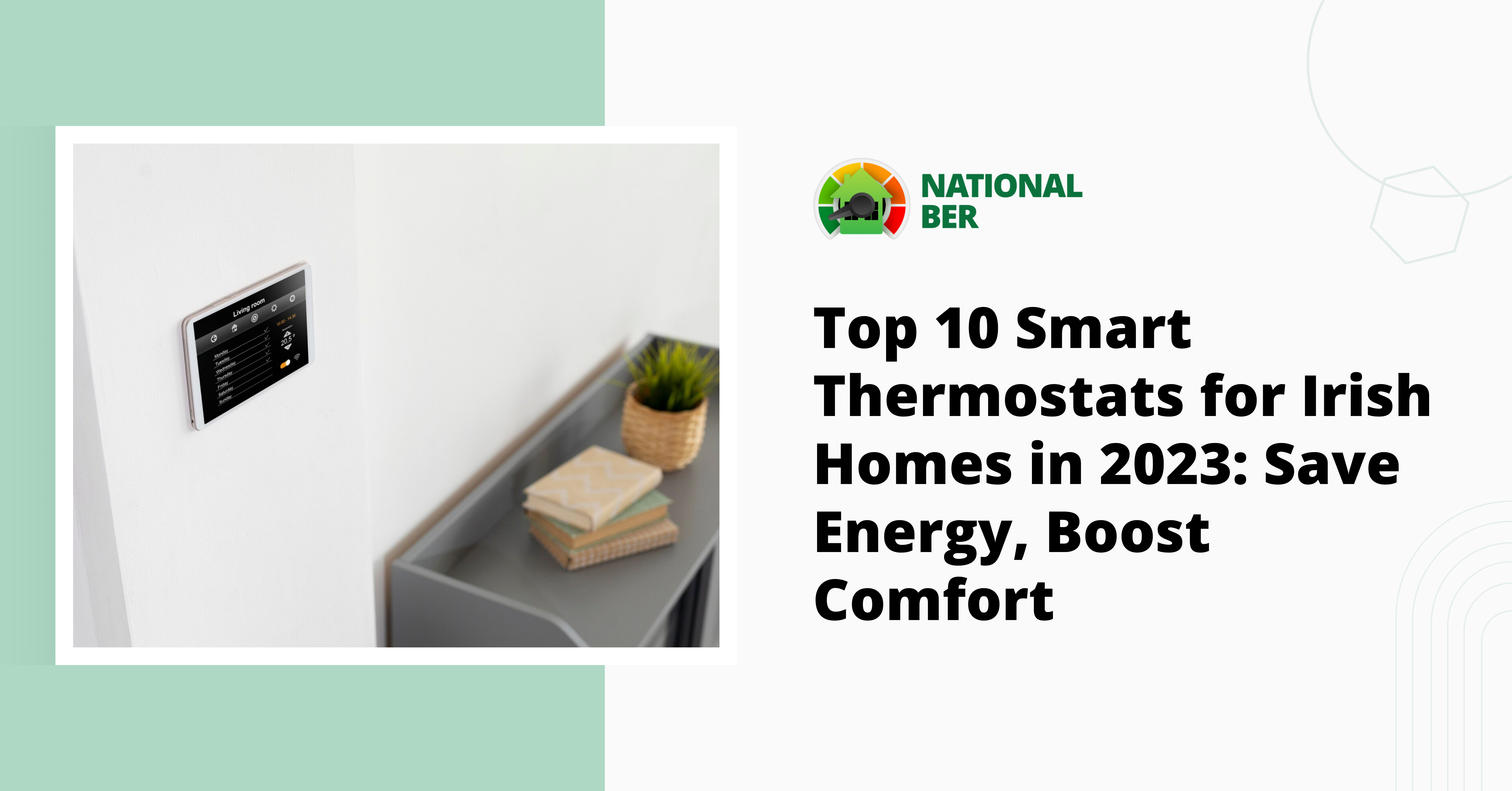
- Smart Heating Controls: These let you control your heating more precisely, saving energy and money. Some systems can learn your habits and adjust heating automatically, potentially saving up to 31% on heating bills.
- Heat Pumps: While harder to put in old buildings, air or ground source heat pumps can be very efficient when combined with good insulation.
Getting Help: Grants and Professional Advice
Improving the energy efficiency of an old building can be expensive, but there's help available:
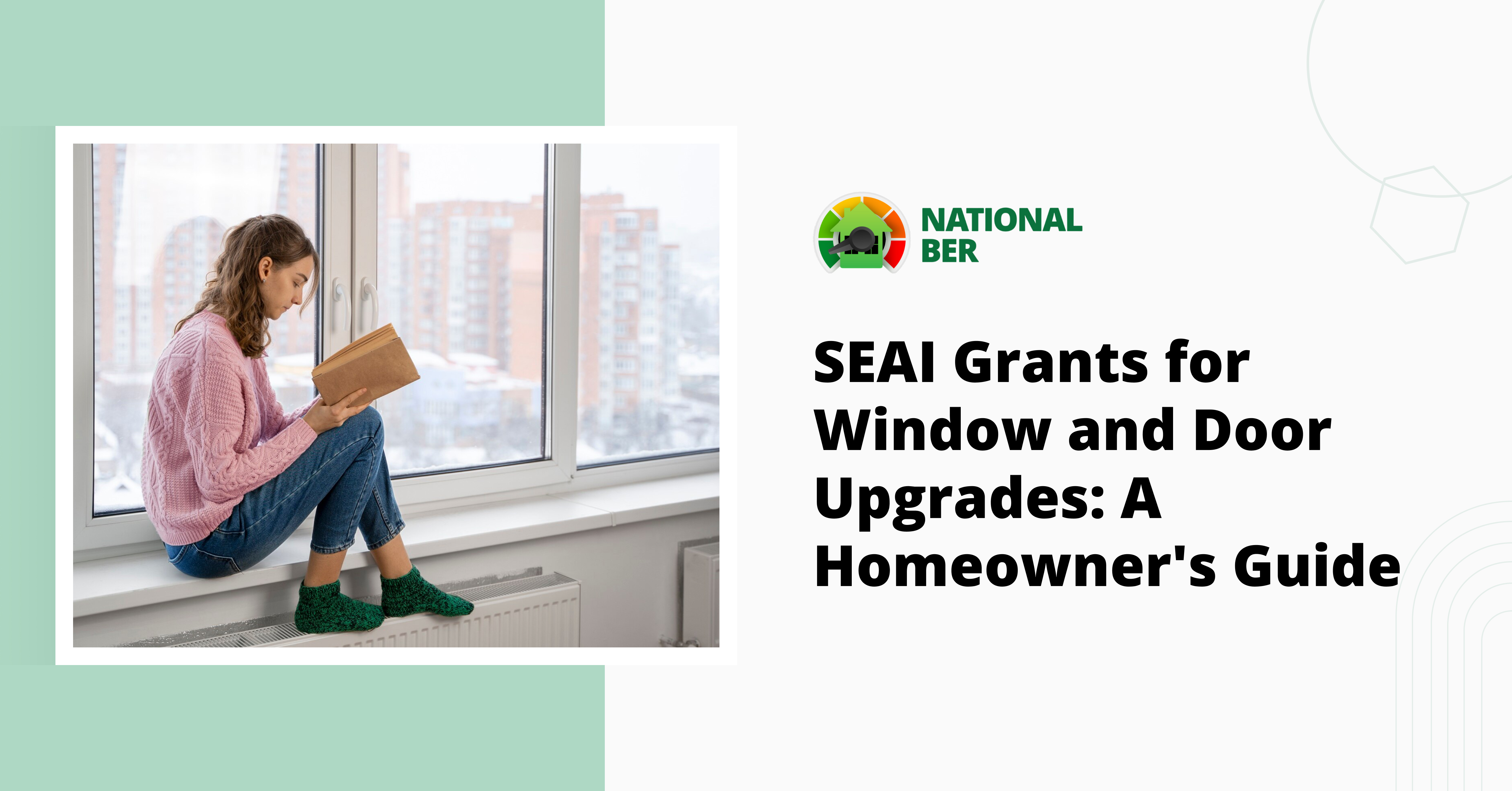
- SEAI Grants: The Sustainable Energy Authority of Ireland offers money to help with various energy-saving upgrades. These can cover up to 50% of the cost for some improvements.
- Heritage-Specific Funding: Some schemes are specially designed for historic buildings, like the Built Heritage Investment Scheme (BHIS).
- Tax Incentives: The Living City Initiative gives tax relief for fixing up buildings built before 1915 in certain city areas.
It's always a good idea to get advice from experts who understand both energy efficiency and preserving old buildings. They can help you make the best choices for your unique building. Our professional BER assessors can give you advice tailored to your old property.
Success Stories: It Can Be Done!
Improving the energy efficiency of old buildings while keeping their character isn't just a dream – it's happening all over Ireland. Here are a couple of examples:
- Georgian Townhouse: A Dublin townhouse used internal wall insulation and extra window glazing to improve its BER without changing its classic front. The house went from an F to a C1 rating, cutting energy costs by 60%.
- Rural Cottage: A thatched cottage in Kerry combined roof insulation, underfloor heating, and a modern heat pump to get a B2 rating while keeping its traditional charm. The owners said their energy bills went down by 75%.
These success stories show that with careful planning and the right expertise, you can make big energy improvements while respecting the history of a property.

Conclusion: Balancing Old and New
Improving the energy efficiency of old buildings is about finding a balance. It's about finding smart solutions that respect the past while making the building comfortable and efficient for today. With the right approach, it's possible to greatly improve your BER rating while keeping the unique character that makes your old building special.
Remember, every building is different, so what works for one might not work for another. That's why it's important to get advice from experts who understand both energy efficiency and preserving old buildings. Our professional BER assessors can help you figure out these challenges and find the best solutions for your historic home.
By taking steps to improve your old building's energy efficiency, you're not just saving money on bills. You're also helping to preserve a piece of history for future generations to enjoy – warm, comfortable, and energy-efficient. With careful planning and the right expertise, you can find a balance between preserving the past and preparing for a sustainable future.


Leave A Comment